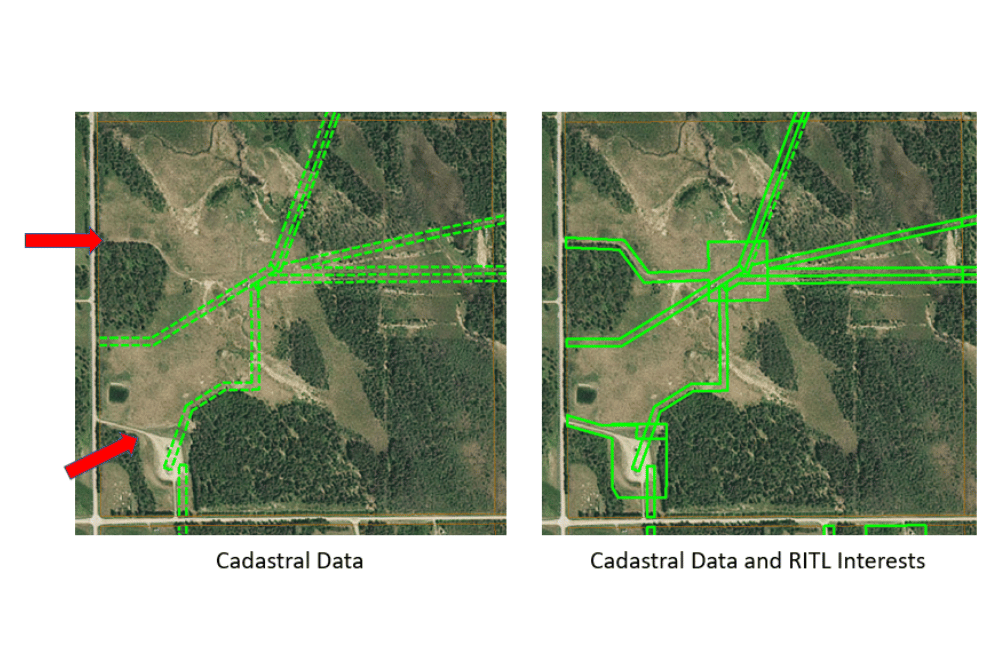
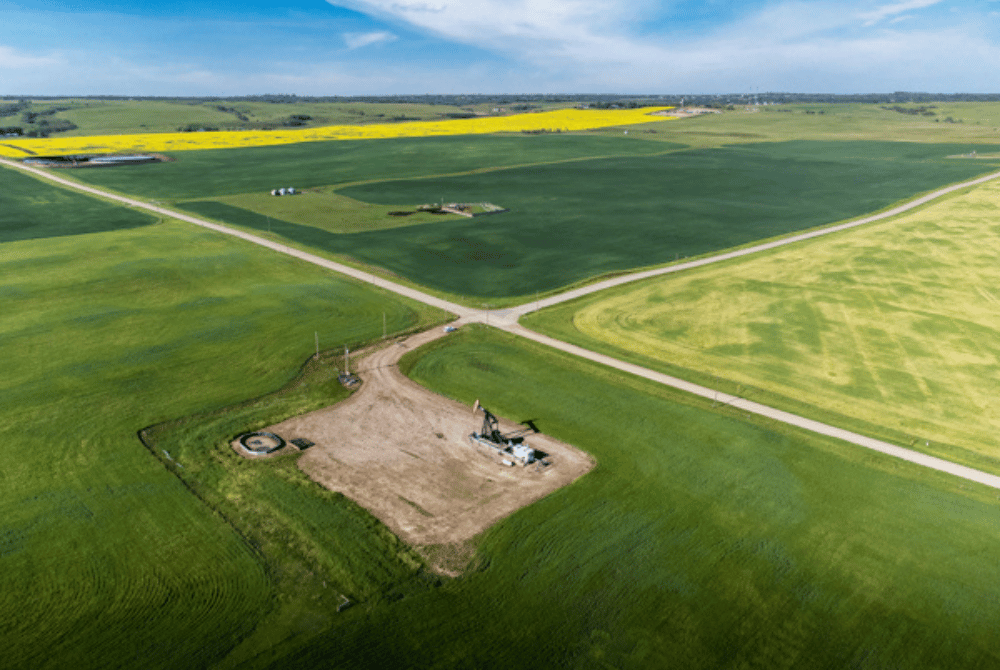
Watch MNC modernize Alberta's Crown land disposition (leases - representing surface activity extents) through the development of the Digital Integrated Dispositions (DIDs) system.
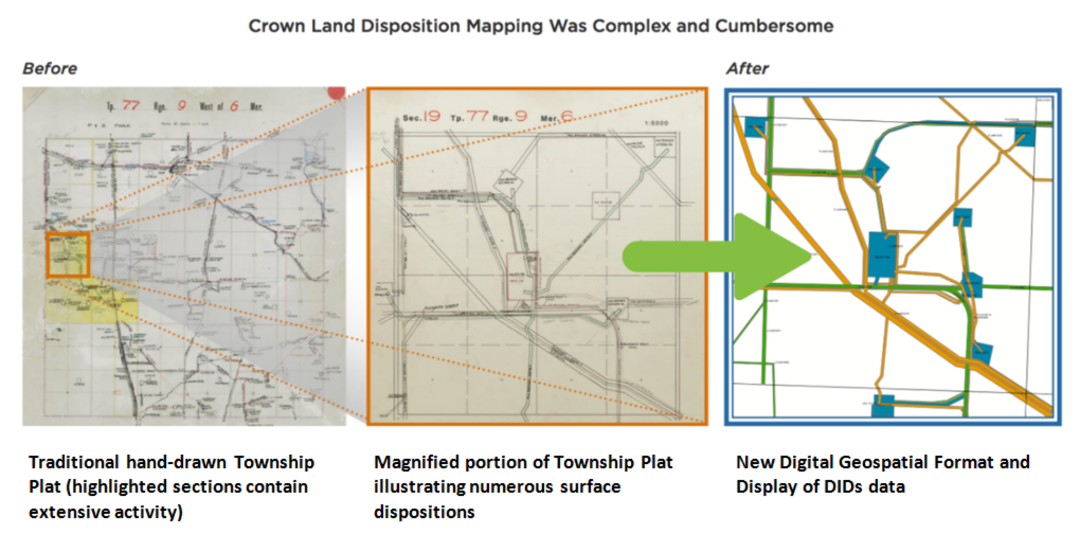
In 2005, the Government of Alberta partnered with MNC (Martin Newby Consulting Ltd.) to modernize the province’s management of Crown land dispositions (a lease representing the surface actvity extents) through the development of the Digital Integrated Dispositions (DIDs) system. This foundational project replaced outdated mylar township maps with a geospatially accurate digital mapping framework to manage over 435,000 active land dispositions.
To further enhance regulatory capabilities, MNC later introduced DIDS+, a powerful extension of the system that added client information, regulatory attributes, and land-use classifications.
The DIDs/DIDS+ system established a standardized, province-wide spatial data framework that supported a broad range of land uses such as grazing, recreation, resource extraction, and infrastructure development. By improving the accessibility, consistency, and accuracy of disposition data, the initiative empowered government agencies, industry stakeholders, and municipalities to make more informed land use decisions. The project’s long-term success and adoption have also positioned Alberta to advance future initiatives such as the Digital Regulatory Assurance System (DRAS), aligning land management with environmental and economic priorities.
The province relied on paper-based maps with overlapping annotations, making them difficult to interpret and manage.
Disposition surveys existed in fragmented formats, leading to poor geospatial alignment and complicating integration efforts across agencies.
Amendments and updates were processed manually, resulting in slow changes that impaired regulatory responsiveness.
Municipalities and industries faced escalating costs to interpret, update, and maintain disposition data, resulting in duplicated effort and inefficiencies.
The absence of accurate, accessible, and timely mapping data increased the risk of conflicting land use and compliance violations.

These systemic issues highlighted the urgent need for a scalable, digital solution that could centralize and modernize Alberta’s disposition mapping infrastructure.
Click the download button to download
a PDF version of this Use Case.
Over 232,000 historical paper and digital disposition records were converted into GIS-compatible formats using AutoCAD (Autodesk), MicroStation (Bentley), and ArcGIS (Esri). These datasets were linked to Alberta Energy’s Geographic Land Information Management and Planning System (GLIMPS) database, allowing for daily updates on new applications, amendments, and cancellations.
MNC established a standardized geospatial dataset. Disposition types, such as grazing leases and easements, were integrated into a cohesive spatial system, enabling consistent planning and analysis.
A discrepancy flagging system was implemented, complete with standardized codes and workflows for resolving overlaps, plan conflicts, and survey discrepancies, dramatically improving data integrity and reducing potential land use conflicts.
The DIDS+ enhancement incorporated client information, address data, regulatory codes, and land use purpose indicators. This allowed government agencies and stakeholders to assess compliance, conduct land-use analysis, and perform targeted planning activities with greater precision.
MNC introduced a cost-recovery framework in which entities that caused changes to land use were responsible for the associated financial costs to maintain the DIDs product. This model ensured sustainable, ongoing updates without relying on government budget cycles.
95% of changes to disposition data are now reflected within one business day, replacing months-long delays under the previous system.
Redundant mapping efforts were eliminated, saving municipalities and the province millions of dollars in operational and maintenance costs.
Over 14,200 conflicts, such as overlapping leases, were identified and resolved, particularly after regulatory reforms were introduced in 2022 under the Land Use Reservation Program (LURP) initiative.
The availability of GIS/CAD (SHP, GDB, and DWG) files enabled integration with industry-standard planning and emergency response tools, ensuring widespread adoption across both public and private sectors.
The system expanded from 232,000 to over 435,000 active dispositions, with MNC continuing to provide updates for over 20 years—demonstrating its long-term viability.
Enhanced access to real-time, standardized data, improved land-use planning, regulatory enforcement, and transparency—benefiting industries, government agencies, and the public.
Today, the DIDs/DIDS+ system is considered the authoritative source for Alberta’s Crown land disposition mapping and is central to the province’s continued innovation in land governance and environmental oversight.
95%
OF CHANGES TO DISPOSITION DATA ARE NOW REFLECTED WITHIN ONE BUSINESS DAY
14,200+
CONFLICTS IDENTIFIED AND RESOLVED
435,000+
ACTIVE DISPOSITIONS
MNC is a trusted leader in cadastral and parcel management with 25+ years of experience delivering GeoAI-ready datasets, modernizing parcel fabrics, and automating GIS workflows. As an Esri Gold and Cornerstone Partner with Parcel Management and State and Local Government Specialties, MNC provides scalable advanced GIS, ArcGIS Pro, FME automation, MicroStation, AutoCAD and cloud-ready geospatial systems that improve data quality and support government land administration modernization across Canada, the USA, and the Caribbean.